Does Gelataro Really Work for Weight Loss?
Does Gelataro work for weight loss?
Only as a small assist, and only if the dose is high enough — which the label does not confirm. Whether Gelataro works for weight loss depends on a causal chain that breaks at the dose step: one daily apple cider vinegar and pectin gummy can plausibly nudge appetite and post-meal glucose, but it cannot create the calorie deficit that weight loss actually requires.
- No apple cider vinegar product holds an FDA-approved weight or blood-sugar indication as of May 2026.
- Pectin's satiety effect is dose-dependent; a 2026 trial used about 5.6 g of low-methoxyl pectin.
- A single gummy is unlikely to reach research-level doses, and added sugar in some gummies can offset the benefit.
The most useful way to answer "does Gelataro work for weight loss" is not to trust a testimonial or dismiss the whole category, but to trace the chain of cause and effect from the moment you chew one gummy to the moment the scale moves — and to be honest about which link is weakest. Do that, and the answer stops being a yes-or-no and becomes a conditional: it can help a little, if a specific thing is true, and that specific thing is a number the brand does not print. Let us walk the chain.
The one rule the whole question sits on
Weight loss has a single non-negotiable mechanism: over time you must take in less energy than you burn. Every diet, every drug, every gadget that has ever worked has worked by moving that balance, whether by reducing how much you eat, changing what you absorb, or nudging how much you expend. A supplement can only "work" for weight loss if it plausibly shifts one of those levers, by an amount large enough to matter, for long enough to add up. That is the yardstick we are going to hold Gelataro to, and it is the yardstick the marketing carefully avoids naming.
So the real question is narrower and fairer than "does it work?" It is: can a daily apple cider vinegar and pectin gummy move the calorie balance by a meaningful amount? To answer that we have to look at each ingredient's proposed pathway and, crucially, at the dose each pathway needs.
Link one: apple cider vinegar and appetite
The proposed pathway for apple cider vinegar is indirect but coherent. Acetic acid, the active component of vinegar, slows gastric emptying and blunts the blood glucose spike after a carbohydrate-rich meal. Slower emptying can prolong fullness; a gentler glucose curve may mean a smaller insulin response and less of the rebound hunger that a sharp spike-and-crash can produce. If you feel fuller for longer and less driven to snack an hour later, you may eat somewhat less across the day. That is a plausible route to a small calorie reduction.
Two honest caveats bound it. First, the effect is measured mostly on glucose and short-term satiety, not on the scale — the leap from "flatter glucose curve" to "lower body weight" is an inference, not a demonstrated result. Second, and decisively, the studied effect used real amounts of vinegar. Trials that saw a glucose response typically used something like one to two tablespoons — roughly 15 to 30 ml of vinegar, carrying a meaningful load of acetic acid — taken with the meal. The question that decides everything is whether one Gelataro gummy delivers acetic acid in that ballpark. The label does not say. Our companion analysis of Gelataro gummies versus liquid apple cider vinegar digs into exactly how much a chewable can realistically carry.
Link two: pectin and fullness
Pectin is the more mechanically direct of the two ingredients. It is a soluble fibre that absorbs water and forms a viscous gel in the stomach and small intestine, physically slowing digestion and increasing the sensation of fullness. A 2026 satiety trial used around 5.6 grams of low-methoxyl pectin to produce a measurable effect on appetite. Fibre-driven satiety is one of the better-supported non-drug appetite levers there is, so on paper pectin is a sensible ingredient for a weight-management product.
The problem is again arithmetic, and it is stark. Research doses of pectin are measured in grams. A single small gummy weighs a couple of grams in total, most of which is the gelling agent, sweetener, flavour, and coating that make it a gummy at all. There is simply not room in one chewable for 5.6 grams of active pectin without it becoming a different object entirely. So even taking pectin's evidence at full value, a one-gummy dose is very unlikely to reach the amount the research used. This is the single biggest reason the causal chain wobbles, and it is covered in more depth in our breakdown of Gelataro ingredients and the doses the label leaves out.
Want to test it against your own routine?
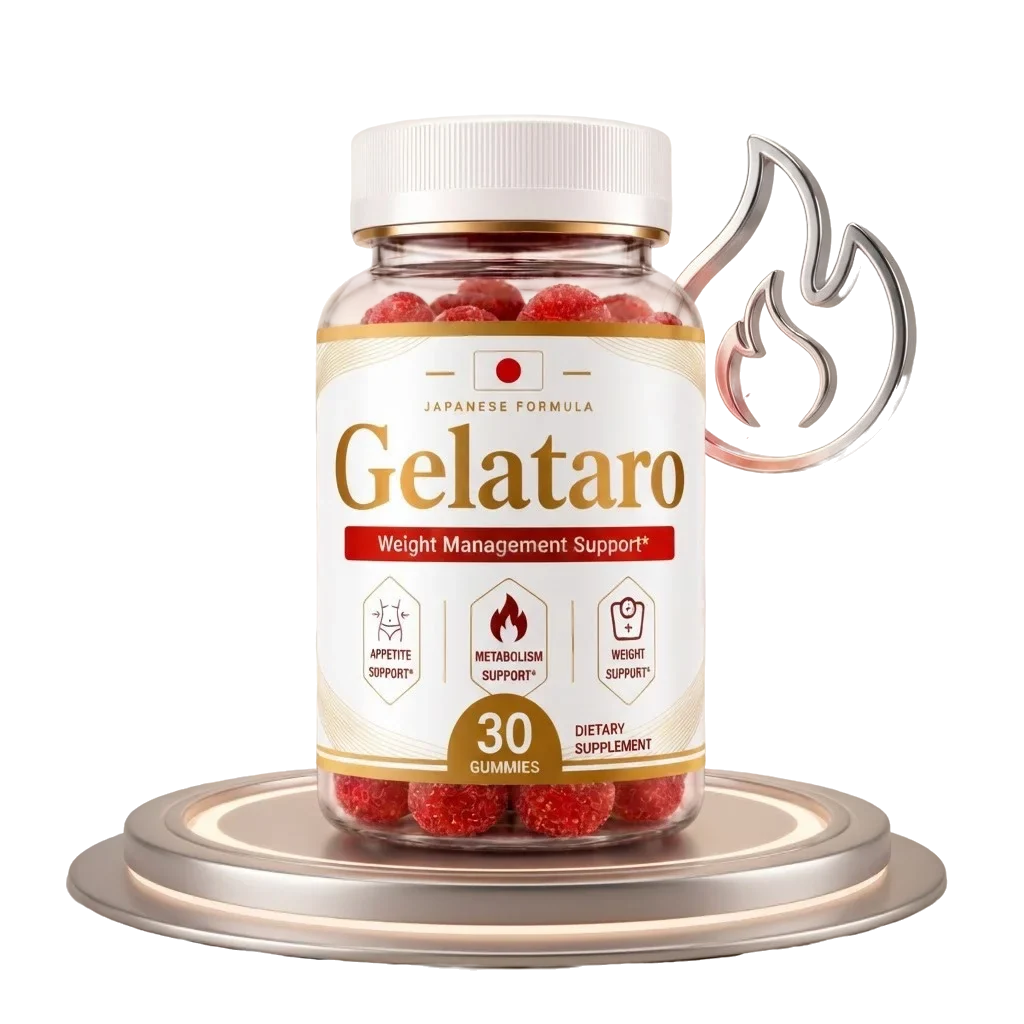
If you would rather run the experiment than argue the theory, the official store lists current bundle pricing and a 60-day money-back guarantee — long enough to see whether the appetite assist shows up for you before you commit.
Order NowLink three: the dose you cannot see
Here is where the chain either holds or snaps. Both of Gelataro's key ingredients are dose-dependent — more delivers more, up to a point, and below some threshold you get nothing measurable. Gelataro does not publish the milligrams of acetic acid or the grams of pectin per serving. Without those numbers, no one, including us, can tell you whether a serving clears the threshold where the studied effects begin. You are being asked to assume the amounts are meaningful on a label that has chosen not to prove it.
This is not a small footnote; it is the whole ballgame. If the doses are at or near research levels, the appetite assist is plausible and the product might earn its place in a plan. If they are token amounts — enough to justify the ingredient on the panel but far below the studied dose — then the pathway is real in theory and inert in practice. The label's silence means you are buying a coin flip on that question, which is a strange thing to pay a premium for.
The added-sugar trap
There is a quieter way a weight-loss gummy can undercut itself: sugar. To taste good, many gummies carry added sugars or sugar alcohols, and if a serving adds a few grams of sugar, that can quietly offset the modest glucose or appetite benefit the active ingredients are supposed to provide. It is a self-defeating loop — the thing that makes the format pleasant can neutralise the thing you bought it for. When you evaluate any weight-management chewable, the sugar line on the nutrition panel is as important as the active-ingredient line, and a low-sugar formulation is a genuine point in a product's favour.

Myths worth clearing up
Three ideas do more damage to expectations than any ingredient could, and it is worth naming them directly.
- Myth: a gummy can replace a diet. No supplement in this category has ever out-performed the calorie deficit it was tested alongside. In the trials, the diet did the work. A gummy is, at best, the thing that makes holding the diet marginally easier.
- Myth: "clinically studied ingredients" means the product is clinically proven. The ingredients have studies; the finished gummy, at its undisclosed dose, does not. Those are different claims wearing similar words.
- Myth: ACV melts fat. Apple cider vinegar has no FDA-approved weight or blood-sugar indication, and its weight evidence is limited and diet-dependent. It does not dissolve fat; at most it shaves a little off appetite.
Where the chain nets out
| Step in the chain | Is it plausible? | What it depends on |
|---|---|---|
| ACV slows emptying and flattens glucose | Yes, in short-term trials | A real acetic-acid dose taken with the meal |
| Pectin increases fullness | Yes, fibre satiety is well supported | Gram-level pectin — hard to fit in one gummy |
| Feeling fuller lowers daily calories | Possible | You not compensating by eating more later |
| Lower calories become fat loss | Yes, this is the core mechanism | A sustained deficit over weeks |
| All of it from one gummy alone | Unlikely | Doses the label does not disclose |
The gummy is a lever with an unknown length. It might reach the load, or it might not touch it — and the label has hidden the one measurement that would tell you which.
So, the honest answer
Does Gelataro work for weight loss? As a standalone cause, almost certainly not — nothing in a single daily gummy creates a calorie deficit by itself. As a small support to a plan you are already running, it plausibly could, but only if the doses inside are close to what the research used, and the label does not let you verify that. The most rational way to use it is exactly the way the evidence points: fix the diet and the activity first, treat the gummy as a possible appetite assist rather than an engine, and lean on the 60-day guarantee to test whether it does anything noticeable for you. If you want the wider picture on how the ingredient science stacks up against the marketing, read our 2026 Gelataro review of what the evidence shows next.
Related reading
Frequently asked questions
Can one gummy a day cause weight loss on its own?
It is unlikely. Weight loss requires a sustained calorie deficit, and no single daily gummy creates one by itself. The best case for Gelataro is that its apple cider vinegar and pectin nudge appetite and post-meal glucose slightly, making a deficit a little easier to hold. That is an assist, not a cause, and it only helps if your eating and activity are already moving in the right direction.
How much apple cider vinegar do you need for any effect?
Human studies that saw a post-meal glucose effect typically used roughly one to two tablespoons of vinegar, about 15 to 30 millilitres, containing meaningful acetic acid, taken with a carbohydrate meal. Gelataro does not disclose how much acetic acid is in one gummy, so there is no way to confirm it reaches those studied amounts. Without the number on the label, the effect cannot be assumed.
Does Gelataro work without diet and exercise?
There is no good evidence that Gelataro produces weight loss without changes to diet and activity. Every serious trial behind its ingredients paired them with a controlled diet, and the diet accounted for most of the result. Treating the gummy as a standalone fix sets you up for disappointment; treating it as a small support to a calorie-aware plan is the realistic use.
Why does the dose matter so much for results?
Both of Gelataro's key ingredients work in a dose-dependent way. The glucose effect of acetic acid and the satiety effect of pectin both scale with how much you take, and a 2026 trial used about 5.6 grams of low-methoxyl pectin to move satiety. A single gummy rarely holds research-level amounts, so if the label hides the dose, you cannot predict whether it clears the threshold where anything happens.
Pair it with a real plan and see
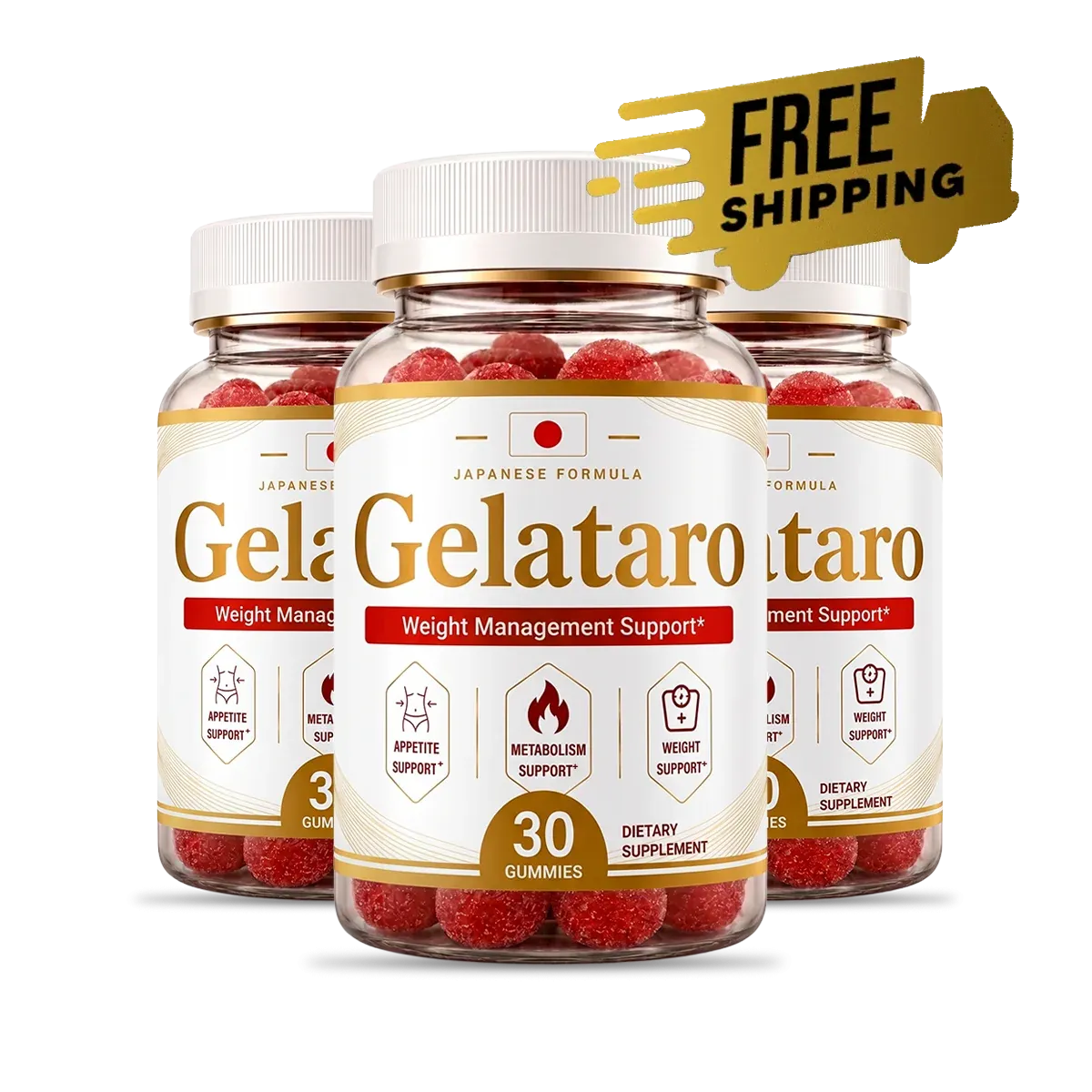
Gelataro is a support, not a substitute. If your diet and activity are already moving, the official store has current bundle pricing, free US shipping on 3 and 6 bottles, and a 60-day money-back guarantee so testing it costs you nothing but the effort.
Order NowReferences
- NIH Office of Dietary Supplements — Dietary Supplements for Weight Loss
- PubMed — Vinegar intake reduces body weight and body fat mass in obese subjects
- NIDDK (NIH) — Weight Management and Energy Balance
- Mayo Clinic — Weight Loss: 6 Strategies for Success
- FDA — Questions and Answers on Dietary Supplements