Gelataro Ingredients: The Three Actives and the Doses That Are Missing
What are the Gelataro ingredients?
The Gelataro ingredients are apple cider vinegar, pectin (a soluble fruit fibre) and citric acid, delivered as a chewable gummy. The catch is that no milligram amount is printed for any of the three. You are told what is in the jar but not how much, and without the amounts you cannot check a single benefit claim against the research.
- Three named actives: apple cider vinegar, pectin and citric acid — all common, none exotic.
- No per-ingredient dose is disclosed, so the formula cannot be compared to studied amounts.
- Research doses for reference: about 500–750 mg acetic acid for ACV, around 5.6 g pectin for appetite work.
Reading a Gelataro label is a strange experience, because the list of Gelataro ingredients is short, familiar and entirely reasonable — and it still tells you almost nothing useful. Apple cider vinegar, pectin, citric acid. Three names most people recognise from a kitchen. The problem is not what is on the list; it is what is missing beside each name. There are no numbers. And in a supplement, the number is the ingredient. A named ingredient with no dose is a story about an ingredient, not the ingredient itself.

The three named actives, one at a time
Before the criticism, the ingredients deserve a fair hearing. None of the three is a filler dressed up as a hero, and each has at least a plausible reason to be there.
Apple cider vinegar. The active fraction of vinegar is acetic acid. This is the ingredient the whole product hangs its name on, and it is the one with the most human research behind it — small studies have looked at acetic acid and post-meal blood glucose, and at gastric emptying, which is the plausible route to feeling full for longer. The research is genuine but modest, and crucially it used measured amounts of vinegar. A gummy inherits that reputation only if it delivers a comparable amount, which brings us straight back to the missing number.
Pectin. Pectin is a soluble fibre found naturally in apples and citrus peel. In water it forms a gel, which is the mechanism behind its appetite-related reputation: a gel in the stomach slows emptying and can blunt the speed of a meal. It is also, incidentally, the ingredient that makes a gummy set. That dual role matters, because pectin present as a gelling agent to give the sweet its texture is not the same as pectin present at a dose studied for satiety.
Citric acid. Citric acid is a tartness and preservative agent. It is on the panel to balance flavour and help stability, not because anyone claims it drives weight results. Listing it as an "active" alongside the other two is generous; it is closer to a functional excipient. There is nothing wrong with it being there — it is in most gummies — but it should not be read as a third pillar of efficacy.
Why the missing dose changes everything
Here is the mechanism of the problem, stated plainly. Every credible claim about apple cider vinegar or pectin is a claim about an amount. "Vinegar may modestly affect post-meal glucose" is shorthand for "roughly 500 to 750 mg of acetic acid, taken with a meal, did so in small trials." Strip the amount out and the sentence stops being a finding and becomes a vibe. The ingredient name is doing the persuading while the dose — the only part that was ever tested — is absent.
This is why a formula that names studied ingredients but hides their amounts is, in evidence terms, uncheckable. You cannot say it is underdosed, because you are not shown the dose. You also cannot say it is adequately dosed, for exactly the same reason. The manufacturer has arranged things so that the one falsifiable claim — "this contains a research-relevant amount" — can neither be confirmed nor refuted. That is not a neutral omission. It transfers all of the risk to you and keeps all of the marketing benefit for the brand.
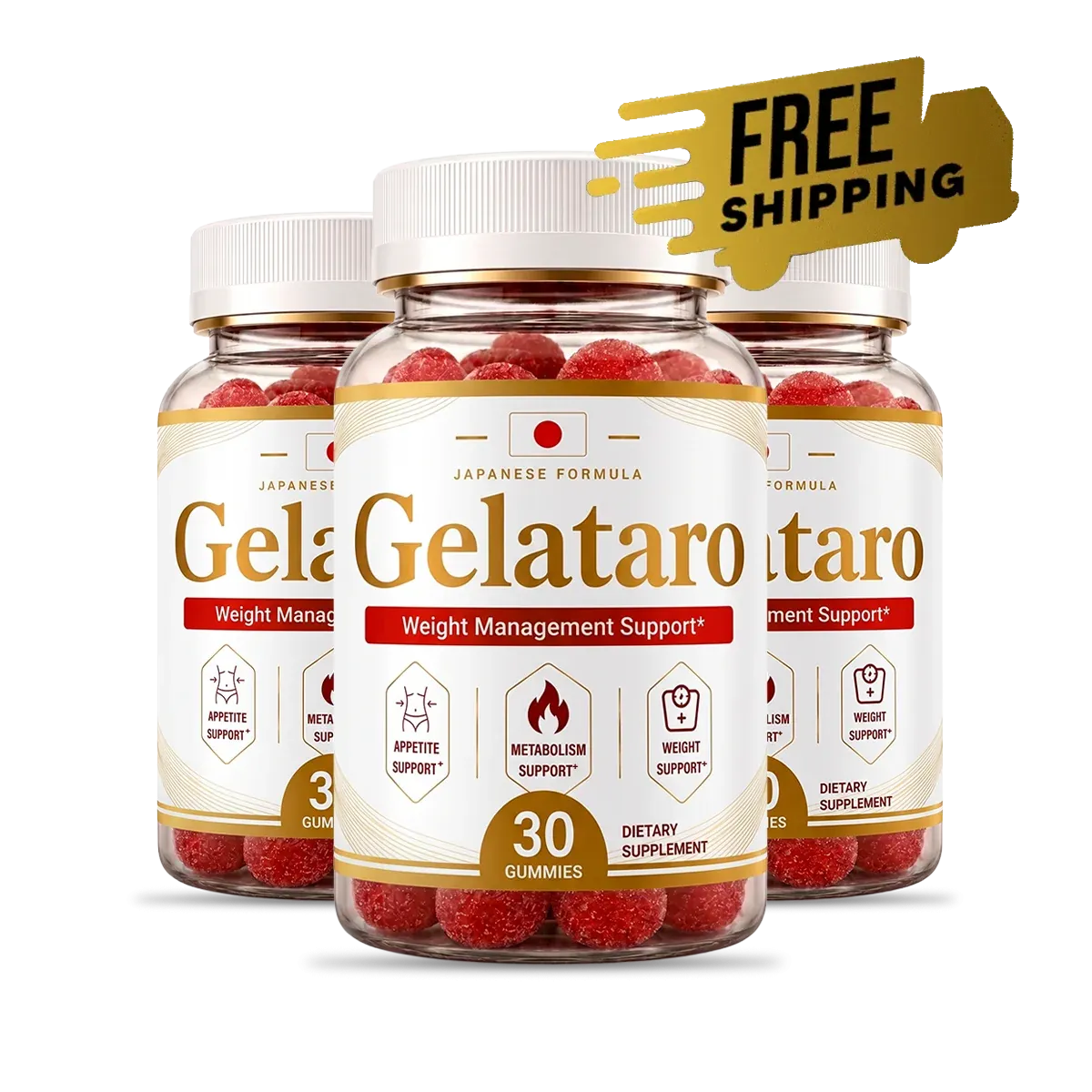
Read the full Gelataro label yourself
The complete ingredient panel, serving size and the 60-day money-back guarantee sit on the official store — the one place to check exactly what is printed before you decide.
Order NowGelataro ingredients versus the research doses
The table sets the named actives beside the amounts that appear in the human research most often cited for each. The middle column is what the studies used; the right column is what the label discloses. The gap between them is the whole story.
| Ingredient | Research-relevant amount | What Gelataro discloses |
|---|---|---|
| Apple cider vinegar (acetic acid) | About 500–750 mg acetic acid, the amount in roughly 4 tsp / 20 mL of vinegar, taken with a meal | Named, no milligram amount |
| Pectin (soluble fruit fibre) | Around 5.6 g in appetite-related work; general soluble-fibre benefits scale with grams, not milligrams | Named, no gram amount; also serves as the gelling agent |
| Citric acid | No efficacy dose — a flavour and stability agent, not a weight active | Named as an active |
Look at the pectin row for a moment, because it hides an uncomfortable arithmetic problem. Appetite research points to something in the region of 5.6 grams. A typical gummy weighs only a couple of grams in total, most of which is sugar or a sugar alcohol, syrup and the gelling matrix. Fitting several grams of active soluble fibre into one small sweet is physically hard, which is why fibre supplements that mean it come as a scoop of powder, not a chewable. That does not prove Gelataro is underdosed — without the number nothing is proven — but it is a reason the burden of disclosure should sit with the seller, not the shopper.
A claim attached to an unstated dose is a slogan, not data. The ingredient name persuades; the missing milligram figure is the part that was actually studied.
Is a proprietary blend automatically a red flag?
Not automatically — and it is worth being fair here, because "proprietary blend" has become a lazy insult. A blend can protect a genuinely novel combination, and plenty of respectable products use one. The honest position is narrower: a proprietary or undosed formula is not proof of weakness, but it does move the burden of proof onto the buyer in a way that should make you slower, not faster.
The distinction that matters is between novelty and reputation. If a blend combined obscure ingredients in a new way, hiding the ratio to protect the recipe would be understandable. But apple cider vinegar and pectin are not secrets — they are commodity ingredients with published research doses. There is nothing proprietary to protect. So the practical effect of leaving the amounts off is not to guard an innovation; it is to let the product stand next to studies it may or may not match. That is the specific pattern worth being cautious about, and it is the same pattern we examine in the wider question of whether Gelataro actually works for weight loss.
What the ingredients can and cannot plausibly do
Set the disclosure problem aside for a paragraph and take the ingredients at their most charitable. Even then, the ceiling is modest and worth stating clearly so no one buys on a fantasy.
- They may support a feeling of fullness. Soluble fibre that gels can slow gastric emptying; vinegar with a meal has small data in the same direction. "May feel fuller" is a reasonable structure-function framing.
- They do not treat, cure or prevent any disease. These are food-derived ingredients sold as a dietary supplement. Any language edging toward a medical claim is a signal to read more sceptically, not less.
- They are not a substitute for the diet around them. Every trial that showed anything ran inside a controlled eating pattern. The gummy is, at best, a small nudge layered on top of the behaviour that does the real work.
- They act on the gut, not on fat directly. The plausible route runs through appetite and meal timing. If you want the fuller picture of that mechanism, our explainer on gut bacteria and weight lays out what is actually established versus what is marketing.
How to read any supplement panel for the same trap
This is not a Gelataro-specific failing; it is a category habit, and the same five checks catch it anywhere.
- Find the amount, not the name. A studied ingredient with no milligram or gram figure beside it is a name borrowing a reputation.
- Compare per serving, not per bottle. Marketing loves the total in the jar; your body only ever gets a serving.
- Watch for the excipient promoted to hero. Gelling agents, flavourings and stabilisers listed as "actives" pad the perceived formula.
- Sanity-check the physics. Several grams of active fibre will not fit in one small gummy. If the math cannot work, the dose probably does not either.
- Match the dose to the study, not the claim to the study. The research is about an amount; the label has to state that amount for the comparison to mean anything.
Run those five checks and the language on the box stops doing the thinking for you. A claim you cannot tie to a disclosed dose is exactly as strong as a claim with no evidence at all, because you have been given no way to tell the two apart. That is the honest summary of the Gelataro ingredient panel: a fair list of reasonable ingredients, published with the one detail removed that would let anyone verify it.
Frequently asked questions
What is in Gelataro and how much of each?
The three named actives are apple cider vinegar, pectin (a soluble fruit fibre) and citric acid, delivered in a chewable gummy. The honest answer to how much of each is that it is not stated. No public milligram amount is printed for any of the three, so the second half of the question cannot be answered from the label at all.
Why doesn't the label list ingredient amounts?
US supplement rules require ingredients to be named but allow a blend to be presented without per-ingredient amounts in several situations, and marketing pages routinely take that latitude. Leaving the doses out lets a product borrow the reputation of a studied ingredient without committing to the amount that was studied. It is legal, but it removes the one number you would need to judge the formula.
How does Gelataro's likely dose compare to studies?
You cannot know, which is the whole problem. Research on apple cider vinegar has typically used about 500 to 750 mg of acetic acid, the amount in roughly four teaspoons or 20 mL of vinegar, and pectin studies linked to appetite have used around 5.6 g. A gummy that does not state its acetic acid or pectin content cannot be lined up against those figures, so any comparison to the research is guesswork.
Is a proprietary formula a red flag?
It is a reason for caution rather than proof of anything. A proprietary blend is not automatically weak, but it does shift the burden: you are asked to trust that the effective amounts are present without being shown them. When the named ingredients have known research doses, hiding the amounts removes the only way to check the claim, and a claim attached to an unstated dose is a slogan, not data.
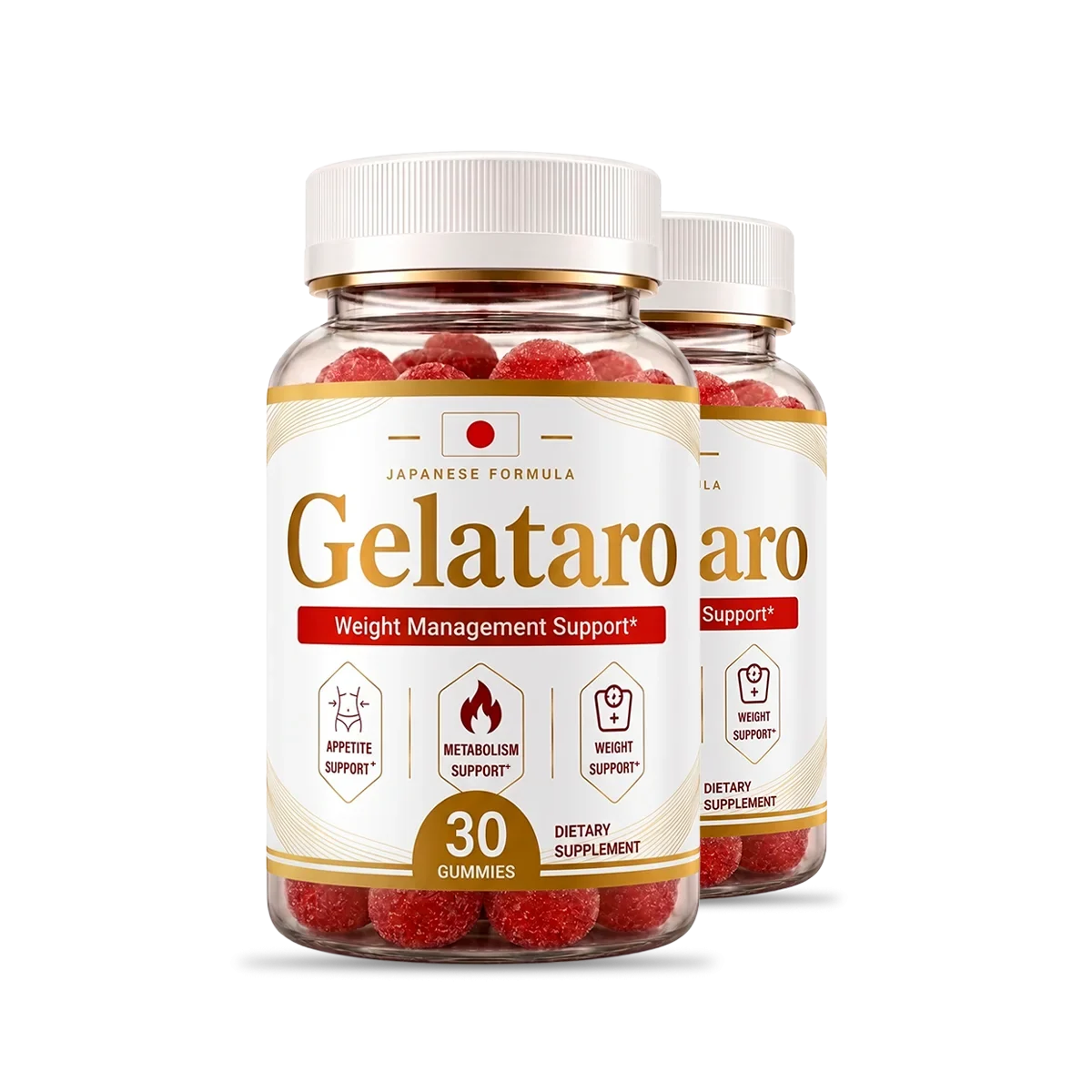
See exactly what is on the Gelataro panel
If you want to check the label wording, serving size and guarantee for yourself, the official store is where the current panel is published alongside the 60-day money-back guarantee.
Order NowReferences
- PubMed — Apple cider vinegar on lipid profiles and glycemic parameters: meta-analysis (2021)
- NIH Office of Dietary Supplements — Fact Sheets
- FDA — Dietary Supplement Labeling Guide
- Healthline — Apple Cider Vinegar and Weight Loss
- PubMed — Fiber supplementation for chronic constipation: meta-analysis (Am J Clin Nutr, 2022)