Structure-Function Claims: What They Legally Mean
Read enough supplement pages and the same grammar appears: supports, promotes, helps maintain, contributes to. That is not vagueness for its own sake. It is a legal category, and knowing what it means changes how you read every label you will ever pick up.
Quick answer
A structure-function claim describes an effect on the body's normal structure or function — "supports healthy digestion" — and needs no FDA review before sale, only substantiation the maker holds privately. It is not a disease claim and it is not proof the product works. Read the verb, look for the dose, and treat the disclaimer as informative.
The category
Under United States law a dietary supplement may describe an effect on the normal structure or function of the body — "supports healthy digestion", "helps maintain normal glucose levels already in the normal range" — without submitting evidence to the FDA before sale. The manufacturer is required to hold substantiation and the claim must not be false or misleading, but there is no gate to pass through first. Enforcement happens afterwards, by complaint.
Cross a line and it becomes a drug claim: treating, curing, preventing or mitigating a disease. "Supports healthy blood sugar" is a structure-function claim. "Treats type 2 diabetes" is a drug claim, and a supplement making it is an unapproved drug.
The disclaimer is part of the deal
When a product makes a structure-function claim, a specific disclaimer is legally required: that the statement has not been evaluated by the Food and Drug Administration and the product is not intended to diagnose, treat, cure or prevent any disease. Most people read it as boilerplate. It is the opposite — it is a precise statement about who has checked the sentence above it. Nobody at a regulator has.
How to read a page once you know this
Notice the verbs. Hedged verbs — supports, promotes, helps — signal a claim written to stay inside the category. Unhedged verbs — attacks, eliminates, restores, resets — are stronger than the category usually allows itself, and are worth a source. The live example here is the bad-bacteria claim, weighed against the literature in gut bacteria and body weight: what is actually established.
Notice what the claim attaches to. "Supports healthy metabolism" attaches to nothing measurable. "Slows gastric emptying" attaches to a specific, testable event. The second is a better claim even though it sounds smaller, because it can be wrong.
Notice the missing number. A claim about an ingredient is only as good as the amount present. This is where most structure-function claims quietly fail — not because the ingredient does nothing, but because nobody will tell you how much of it you are getting. On this product the gap is explicit: the Gelataro label names three ingredients and no amounts.
What this does not mean
It does not mean supplements are unregulated — labelling, manufacturing practice and safety reporting all have rules. It does not mean every structure-function claim is false; plenty are supported by real research the manufacturer simply never had to show anyone. And it does not mean a disclaimer is an admission of anything.
It means the burden of checking sits with you, and that the page you are reading was written by someone who knew that. The commercial half of that burden — totals, auto-ship and refunds — is worked through in the Gelataro billing and refund check.
The three-second version
A supplement claim is a permission, not a finding. Read the verb, look for the dose, and treat the disclaimer as the most informative sentence on the page.
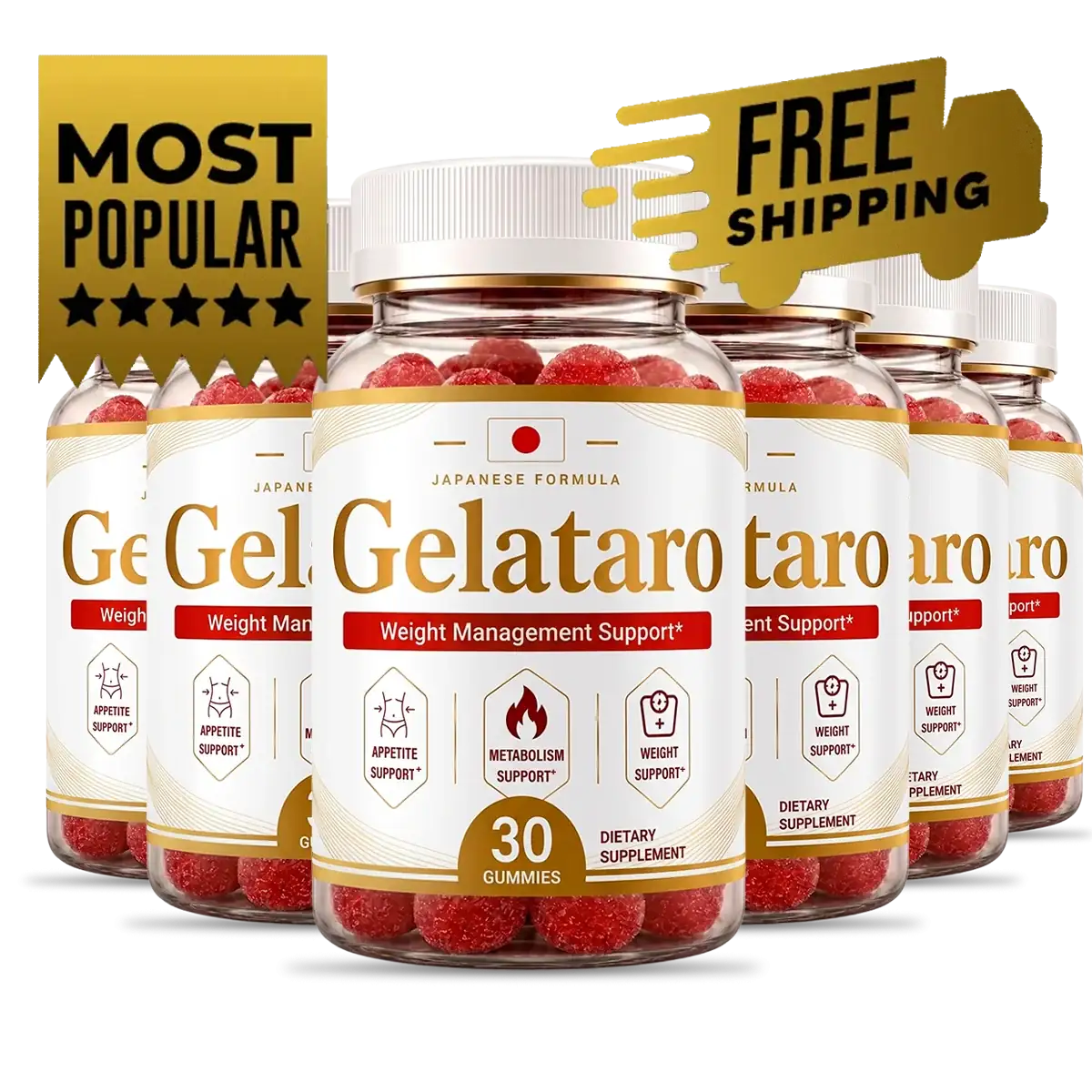
See the current Gelataro price
Official store pricing, free US shipping on 3 and 6 bottles, 60-day money-back guarantee.
Order NowFrequently asked questions
Are structure-function claims allowed to be untrue?
No — the manufacturer must hold substantiation and the claim must not be misleading. But nothing is checked before sale, so in practice the standard is enforced after the fact.
What is the difference between a supplement and a drug claim?
A drug claim says a product treats, cures, prevents or mitigates a disease. A supplement making one is legally an unapproved drug, which is why supplement copy is written so carefully around disease words.
Does the FDA approve dietary supplements?
No. There is no pre-market approval for supplement effectiveness, and any badge or wording implying FDA approval of a supplement is inaccurate.
Is 'FDA-registered facility' the same thing?
No. That describes the premises where a product is made, not the product. It is a legitimate statement and a much smaller one than it sounds.
References
- 21 CFR 101.93 — Required disclaimer for structure/function claims
- NCCIH — Dietary and Herbal Supplements
- NCCIH — Weight Control and Complementary Health Approaches
- FTC — Health Products Compliance Guidance
- MedlinePlus — Dietary Supplements
- NIH Office of Dietary Supplements — Dietary Supplements for Weight Loss