Gelataro Side Effects: ACV Gummy Safety, Without the Alarmism
What are the side effects of Gelataro?
The likely Gelataro side effects come from its ingredients, not from anything unusual. Apple cider vinegar can cause stomach upset, heartburn or a reflux flare and, over time, tooth-enamel wear. The pectin fibre can cause bloating or gas as your intake rises. Most are mild, dose-related and settle if you take it with food and a full glass of water.
- ACV risks: stomach upset, heartburn or GERD flare, and enamel erosion with repeated acid contact.
- Fibre risks: bloating and gas, usually worse in the first week or if you increase the dose too fast.
- Check with a clinician first if you are pregnant, take diabetes medication, or take potassium-lowering drugs.
Search "Gelataro side effects" and you will find two unhelpful extremes: pages that swear it is completely side-effect free, and pages that treat a gummy like a hazardous drug. Neither is honest. The truth sits in the boring middle. Gelataro is a chewable made from apple cider vinegar, pectin and citric acid, and its risk profile is exactly the risk profile of those ingredients — mostly mild, mostly digestive, mostly manageable, and genuinely worth a second thought for a specific handful of people. This article walks through what can actually happen, why, and how to lower the odds.

The acetic acid side effects, and why the gummy softens them
Acetic acid is the working part of vinegar, and it is also the source of most of the complaints people report. Three come up repeatedly.
Stomach upset and nausea. An acid load on an empty or sensitive stomach can feel uncomfortable, sometimes as a mild queasiness or a burning sensation. It is usually dose-related, meaning it tracks with how much acid you take and whether you take it with food.
Heartburn and reflux. If you already live with acid reflux or GERD, adding acid can provoke a flare. This is the single most predictable side effect in people who are prone to it, and it is a reason the "more is better" instinct is wrong here.
Tooth-enamel erosion. Acid softens the mineral surface of teeth. With repeated exposure over months, that contributes to enamel wear and sensitivity. It is a slow, cumulative risk rather than a one-off event.
Here is the fair counterweight, and it is the reason the format matters: a gummy is gentler than swallowing neat vinegar. Sipping straight vinegar bathes the throat and stomach in a concentrated acid; a gummy carries a smaller, buffered amount inside sugar and fibre. So the gummy genuinely reduces some of the harshness. It does not remove it. "Gentler than a shot of vinegar" is true and is not the same as "risk-free," and any page that rounds the first up to the second is selling, not informing.
The enamel question, answered properly
Enamel deserves its own section because the gummy format creates a twist people miss. When you drink an acidic liquid, it passes quickly. When you chew a sticky, acidic sweet, the acid lingers on the tooth surface longer, and the chewing works it into the grooves. That extended contact time is the specific reason dentists treat chewable acids with more caution than swallowed ones, even when the total acid is small.
The mitigations are simple and worth doing every time. Do not brush straight after chewing — softened enamel brushes away more easily, so wait about thirty minutes. Rinse your mouth with plain water to dilute and clear the acid. Do not let the gummy sit parked against your teeth or cheek. And if you already have enamel wear, sensitivity or a lot of dental work, treat that as a reason to be especially careful, or to choose a non-acidic route to the same goal. None of this is dramatic; it is the same hygiene you would apply to citrus or fizzy drinks.
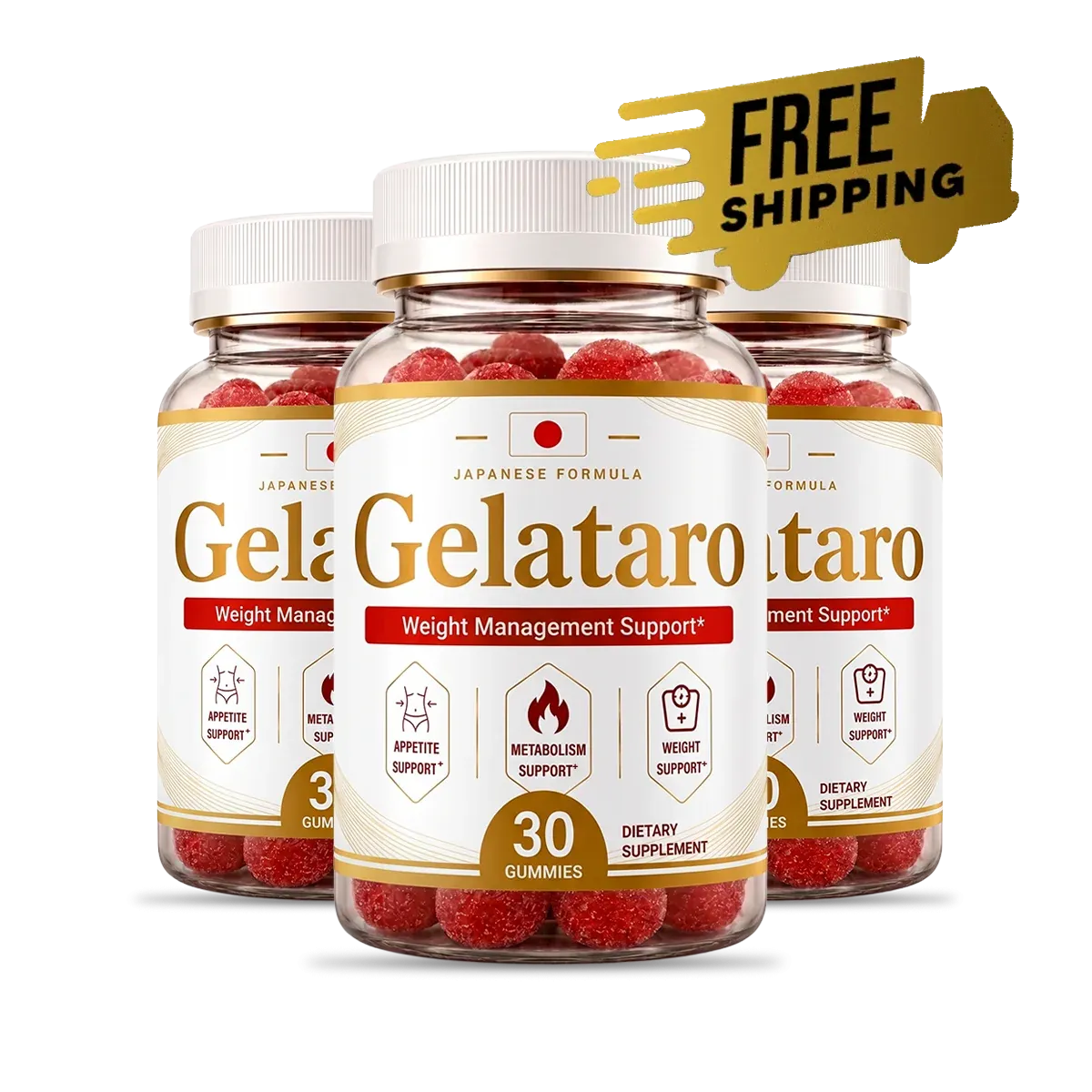
Check the label directions before you start
Serving size, usage directions and the 60-day money-back guarantee are published on the official store. Reading the panel first is the simplest way to avoid the dose-related side effects above.
Order NowThe fibre side effects: bloating, gas and the first week
The second ingredient, pectin, is a soluble fibre, and soluble fibre has its own small, predictable list. As it ferments in the gut it can produce gas, bloating and a change in bowel habit. This is not a sign something is wrong; it is what fibre does, and it is usually worst when intake rises quickly. Bodies that are not used to much fibre react more than bodies that already eat plenty.
The management is the same principle as with the acid: go slow and add water. Start at the low end of the serving, give your gut a week or two to adjust, and always take it with a full glass — about 8 oz — of water, because soluble fibre needs fluid to move properly. Taken dry, or ramped up fast, it is far more likely to leave you gassy and uncomfortable. If bloating persists beyond the adjustment period rather than easing, that is a reason to step back, not to push through.

Who should be cautious or check with a clinician first
Most people can take an ACV gummy without incident. But there is a specific list of people for whom "ask first" is the right default, and it is worth being blunt about who is on it.
- People on diabetes medication. Acetic acid has been studied for modest effects on post-meal blood glucose. If you already take insulin or other glucose-lowering drugs, stacking another glucose-lowering nudge on top raises the theoretical risk of hypoglycaemia. Not a veto — a conversation with the clinician managing your medication.
- People on potassium-lowering drugs. Some diuretics and other medicines lower potassium, and large, chronic vinegar intake has been linked in case reports to low potassium. The doses in a gummy are far smaller, but if you are already on a potassium-lowering drug, the caution compounds.
- Anyone pregnant or breastfeeding. The default for supplements in pregnancy is to clear them with your provider, simply because they have rarely been tested in that group.
- People with reflux, ulcers or gastroparesis. Added acid can aggravate reflux and ulcers, and a fibre that slows gastric emptying is the wrong direction for gastroparesis.
- Anyone with a history of disordered eating. Appetite-suppressing framing can be a poor fit, and that is a matter for a clinician who knows the history.
This list is not a scare. It is the ordinary "talk to your doctor before use" that belongs on every supplement, made specific enough to be useful. If you are not on that list and you have no relevant condition, the honest risk of a standard serving is low. If you are on it, the answer is not "never" — it is "ask the person who manages your care."
Gentler than a shot of vinegar is a real advantage and not the same as risk-free. The format lowers the odds of the common side effects; it does not abolish them, and it does not change who should check first.
Gelataro side effects at a glance
The table pulls the realistic effects together with why each happens and the simplest way to lower the risk. None of this is a diagnosis, and new or severe symptoms always warrant a clinician rather than a workaround.
| Effect | Why it happens | How to reduce the risk |
|---|---|---|
| Stomach upset / nausea | Acid load, worse on an empty stomach | Take with food; start at the low serving |
| Heartburn / reflux flare | Added acid in people prone to GERD | Avoid if reflux is active; stop if it flares |
| Tooth-enamel wear | Prolonged acid contact from a chewed, sticky sweet | Rinse with water; don't brush for 30 min; don't let it sit on teeth |
| Bloating / gas | Soluble fibre fermenting in the gut | Ramp up slowly; drink 8 oz water per serving |
| Low potassium (rare) | Linked to large, chronic vinegar intake | Caution with potassium-lowering drugs; keep to serving size |
| Low blood sugar (theoretical) | Additive with glucose-lowering medication | Clear it with your diabetes clinician first |
Common myths worth clearing up
Three beliefs cause more trouble than the ingredients do.
"Natural means no side effects." Vinegar is natural and acidic; enamel does not care whether the acid came from a farm or a factory. Natural sourcing is a point in the formula's favour for other reasons, but it is not a safety guarantee, and this is the same confusion our guide to what the Gelataro ingredient doses actually are untangles from the other direction.
"If a little helps, more helps faster." Every side effect here is dose-related. Doubling up does not accelerate a benefit; it accelerates the reflux, the bloating and the enamel contact. The sensible amount is the labelled serving, and the calmest way to arrive there is a slow start, which we cover in detail in how to take Gelataro, timing and dose.
"Side effects mean it's working." Bloating is not evidence of fat loss, and heartburn is not evidence of anything except acid where you did not want it. Discomfort is a signal to adjust, not a scoreboard. For a different ingredient with a genuinely elegant fix to the same acid-contact problem, our explainer on why enteric-coated peppermint oil uses a protective coating is a useful contrast in how formulation can design a side effect out.

Sensible ways to take it and keep the risk low
- Take it with or just before food. Food buffers the acid and is also when any appetite effect would matter.
- Drink a full glass of water with each serving. Fluid is what lets soluble fibre behave and dilutes the acid on your teeth.
- Start low, build slowly. Give your gut one to two weeks to adjust before considering the full serving.
- Mind your teeth. Rinse with water, wait before brushing, don't let the gummy linger against your teeth.
- Stop and reassess if it flares. Persistent reflux, ongoing bloating or any new, severe or unusual symptom is a reason to stop and speak to a clinician.
- Loop in your prescriber if you take medication. Especially for diabetes or potassium-lowering drugs, or if you are pregnant or breastfeeding.
Do those six things and you have removed most of the avoidable risk. What remains is small for most people and specific for a few — which is exactly what an honest safety page should tell you, instead of promising a gummy that no one ever reacts to.
Frequently asked questions
What are the side effects of Gelataro?
The realistic side effects come from its ingredients rather than anything exotic. Apple cider vinegar can cause stomach upset, heartburn or a reflux flare in people prone to it, and over time acid contact can contribute to tooth-enamel erosion. The pectin fibre can cause bloating or gas, especially as your intake rises. Most of these are mild, dose-related and settle if you lower the amount, take it with food and drink a full glass of water.
Can ACV gummies damage tooth enamel?
Acid softens enamel, and a gummy keeps that acid in contact with your teeth longer than a swallowed drink because it is chewed and sticky. Gummies are gentler than sipping neat vinegar, but they are not risk-free. You reduce the risk by not brushing immediately after chewing, rinsing with water, and not letting the gummy sit against your teeth. Anyone with existing enamel wear or sensitivity should be especially careful.
Who should not take Gelataro?
Anyone who is pregnant or breastfeeding, or who takes medication for diabetes, or takes potassium-lowering drugs such as certain diuretics, should talk to a clinician before starting, because vinegar can interact with blood-sugar and potassium handling. People with active reflux, ulcers, gastroparesis or a history of disordered eating should also be cautious. When in doubt, the safe default is to check first rather than to start and hope.
Does Gelataro interact with diabetes medication?
It can, at least in principle. Acetic acid has been studied for small effects on post-meal blood glucose, and if you are already taking insulin or other glucose-lowering medication, anything that nudges blood sugar in the same direction raises the theoretical risk of going too low. This does not mean you cannot use it, but it does mean the decision belongs with the clinician managing your medication, not with a product page.
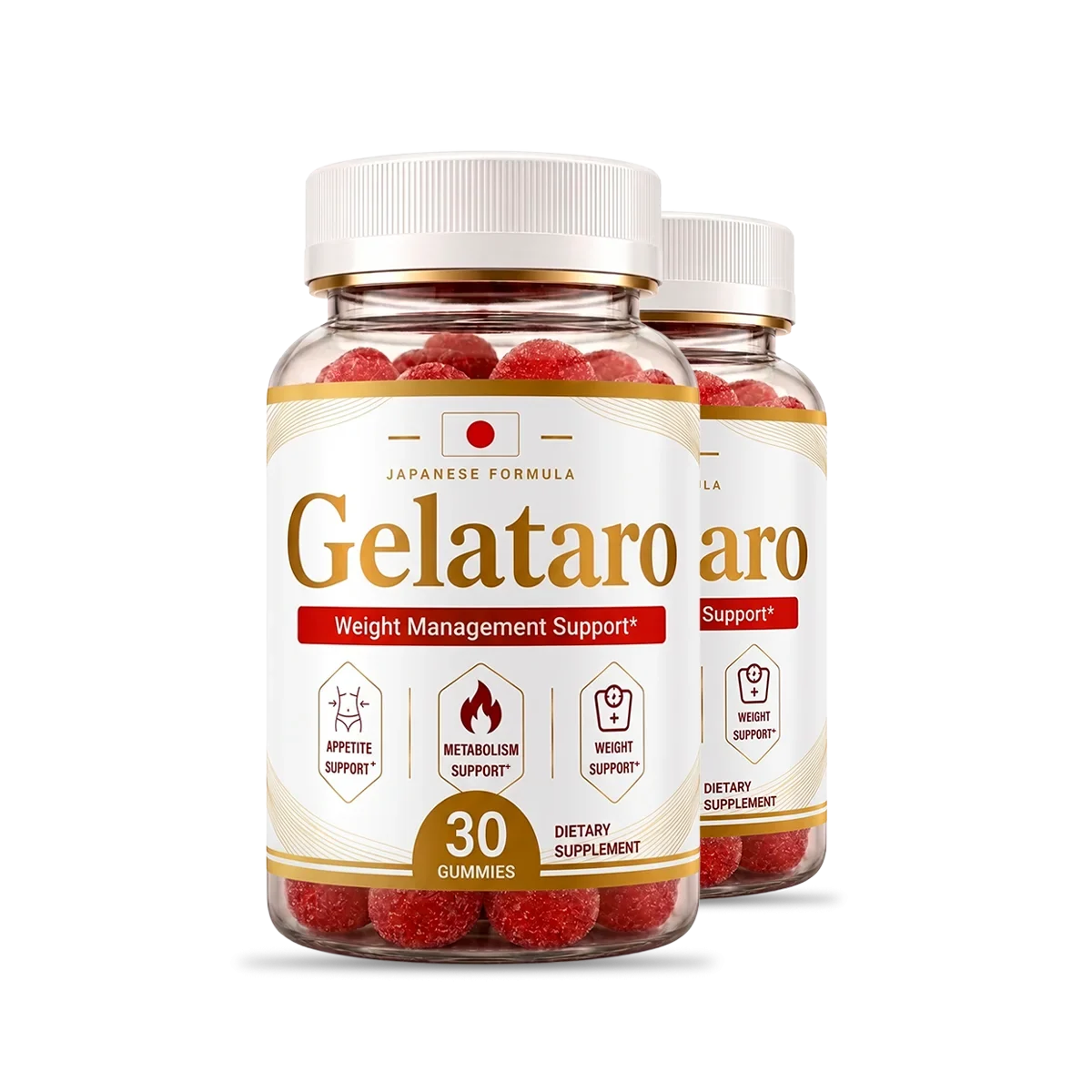
Read the directions and guarantee first
The serving size, usage guidance and 60-day money-back guarantee are all published on the official store. If you have decided it fits you, that is the place to start — at the labelled serving, with food and water.
Order NowReferences
- PubMed — Esophageal injury by apple cider vinegar tablets (Hill, 2005)
- American Dental Association (MouthHealthy) — Dietary Acids and Your Teeth
- Mayo Clinic — Apple Cider Vinegar: Uses and Cautions
- NIDDK (NIH) — Digestive Diseases and Symptoms
- Healthline — Apple Cider Vinegar Side Effects
- NCCIH (NIH) — Using Dietary Supplements Wisely