Gut Health Supplements IBS: Enteric-Coated Peppermint Oil and Why the Coating Matters
Quick answer
An enteric coating is a polymer shell that survives stomach acid and dissolves further down, in the higher pH of the small intestine. On a peppermint oil capsule it does two jobs: it carries the oil past the stomach to the bowel, where the muscle-relaxing effect is wanted, and it stops the oil loosening the valve at the top of the stomach, which is what causes the reflux and minty burping people get from uncoated capsules.
- Trials in irritable bowel syndrome generally used enteric-coated capsules of roughly 180–225 mg, two or three times daily before meals.
- The most consistent reported benefit is short-term relief of abdominal pain and overall symptom score; long-term data is limited.
- Not suitable for people with reflux, hiatus hernia or gallstones, and new or alarm symptoms need a clinician rather than a supplement.
Peppermint oil is unusual among gut health supplements ibs shoppers come across, because it has a plausible mechanism, a real body of randomised trials, and a formulation detail that decides whether any of it applies. That detail is the coating. Swallow the same oil without it and you have a different product with a different side-effect profile and a much weaker case. It is a sharper case than most botanicals: triphala's reputation for bowel regularity, by comparison, rests on a much thinner human literature.
What peppermint oil is, chemically
Peppermint oil is the steam-distilled volatile oil of Mentha x piperita, a sterile hybrid of watermint and spearmint. The dominant constituents are menthol, typically the largest fraction, along with menthone, menthyl acetate, eucalyptol and smaller terpenes. It is not an extract of the whole leaf and it is not the same material as peppermint tea, which delivers a small and variable amount of the same oil dissolved in a large volume of water.
Menthol is a calcium channel blocker at smooth muscle. That single sentence is the whole mechanistic story, and it is worth stating plainly because it is one of the few supplement mechanisms that is not speculative. Intestinal smooth muscle contracts when calcium enters the cell; menthol reduces that entry; the muscle relaxes. The same action is why peppermint oil is used topically during some endoscopy procedures to quieten spasm in the bowel wall.
Menthol also activates TRPM8, the cold-sensing receptor, which is why the oil feels cool on the tongue and skin. That is a sensory effect and not the reason it is taken internally, though it does contribute to the perception that something is happening.
Why the coating decides whether the ingredient works
An enteric coating is usually a methacrylic acid copolymer, a cellulose phthalate or a similar pH-responsive polymer. It is insoluble at the pH of the stomach, which sits somewhere between roughly 1.5 and 3.5, and dissolves once the capsule passes the pylorus into the duodenum, where pancreatic bicarbonate lifts the pH toward neutral. The practical result is that the oil is released downstream of the stomach rather than in it.
That matters for two independent reasons. The first is targeting. The muscle that generates the cramping pain in irritable bowel syndrome is in the small and large bowel, not in the stomach. Releasing a volatile oil into the stomach lets much of it be absorbed or diluted before it reaches the tissue you were aiming at.
The second is tolerability, and it is the reason people abandon uncoated products within a week. Menthol relaxes smooth muscle indiscriminately, including the lower oesophageal sphincter — the ring of muscle that keeps stomach contents out of the oesophagus. Relax that and acid moves upward. Heartburn and peppermint-flavoured belching are the two complaints that show up most often in trial safety reporting, and both are markedly reduced by a coating that keeps the oil sealed until it is past the stomach. Acidic chewables raise the same reflux question from the other direction, which is where the side effects of ACV gummies are worth reading before you switch formats.
There is a subtlety worth knowing. Some products use a delayed-release coating tuned to dissolve further along, in the ileum or colon, on the argument that this puts the oil closer to the segment generating symptoms. Others use a standard enteric coat that opens in the duodenum. Both are legitimate; they are not identical; and a label that says only "enteric coated" has not told you which one you are buying.
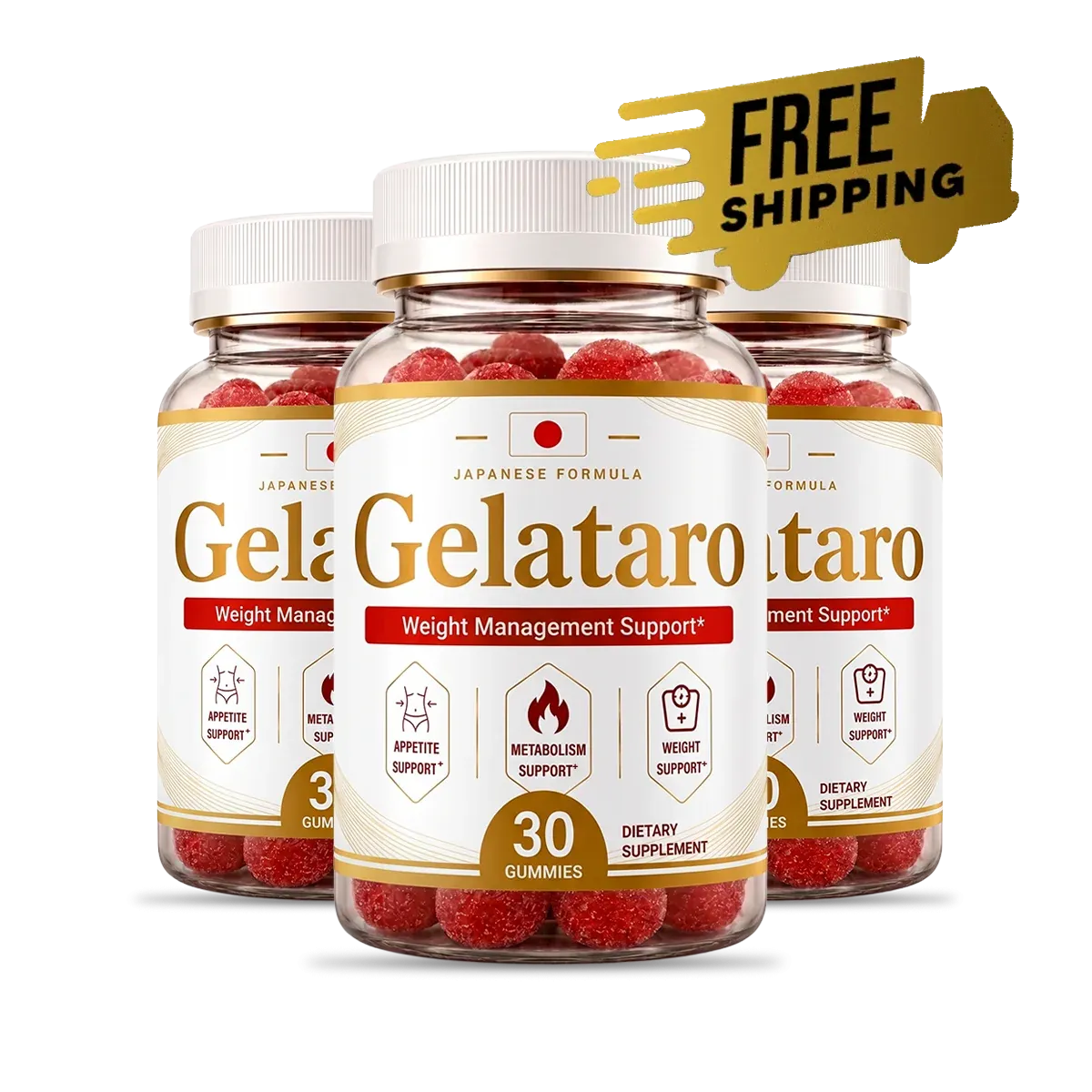
Check the current Gelataro price
People who search where to buy apple cider vinegar gummies usually land on a marketplace listing first. The direct route is the official store — current bundle pricing, free US shipping on 3 and 6 bottles, 60-day money-back guarantee.
Order NowWhat the trials show, and how strong they are
Peppermint oil is one of the few botanical ingredients that has been through multiple randomised, placebo-controlled trials in a defined clinical population, and those trials have been pooled in more than one published meta-analysis. The consistent direction of the pooled results is in favour of enteric-coated peppermint oil over placebo for global symptom improvement and for abdominal pain in irritable bowel syndrome. Some national and specialty guidelines list it as a reasonable option for pain and spasm.
The honest qualifications matter as much as the headline. Most of the individual trials were small. Follow-up was typically weeks rather than months, so nothing useful is known about taking it for a year. Trial quality varies, blinding is genuinely difficult when the intervention announces itself with a cooling sensation and a smell, and formulations differed between studies, which makes pooling imperfect. Analyses that grade the certainty of the evidence generally place it in the low-to-moderate band rather than high.
What that adds up to is a supportive, not a decisive, evidence base: better than almost anything else on the gut shelf, and still short of what you would want before calling something settled. It is also worth saying that the trials were run in people with a diagnosis. If you have not been assessed, you do not know that what you have is the condition those trials studied.

Dose forms compared
The table sets out how the common peppermint preparations differ. The dose column reflects amounts used in published trials or typical retail servings, not a recommendation, and the evidence column grades human trial support for digestive symptom outcomes.
| Form | Typical amount | Where it releases | Evidence strength (digestive symptoms) |
|---|---|---|---|
| Enteric-coated peppermint oil capsule | About 180–225 mg, two or three times daily before meals | Small intestine, past the stomach | Moderate — multiple randomised trials and pooled analyses, short duration |
| Delayed-release (ileocolonic) capsule | Similar per-capsule amount | Lower small bowel or colon | Limited — fewer head-to-head trials against standard enteric coating |
| Uncoated peppermint oil softgel | Variable, often lower | Stomach | Weak — poorer targeting and markedly more reflux reported |
| Peppermint tea or leaf infusion | Trace oil content, highly variable | Stomach | Very weak — pleasant, but not a dose of anything measurable |
| Peppermint flavouring in a gummy or drink | Flavour level, not a functional amount | Stomach | None — flavour is not a mechanism |
The bottom two rows are the ones to keep in mind while comparison shopping. A product that lists peppermint somewhere on the panel is not delivering the intervention that was tested unless the amount and the coating are both stated. That is the single most common gap between a research-backed ingredient and a product borrowing its reputation.
How gut health supplements ibs shoppers buy actually differ
Peppermint oil is one lever. The others on the same shelf are not interchangeable with it, and putting them side by side makes the differences obvious.
Soluble fibre — psyllium and similar — works on stool form and transit rather than on spasm, and has its own reasonable trial record. Probiotics are strain-specific, and the evidence is a patchwork: some strains have supportive data for particular outcomes, many have none, and a label listing a genus without a strain designation is telling you almost nothing. Low-FODMAP dietary change has the strongest evidence of anything in this space and is also the most demanding to implement, which is exactly why capsules sell better. Peppermint oil targets pain and spasm and does very little for stool consistency.
None of that makes any one product the best gut health supplement for bloating or anything else; it makes the question badly formed. The useful question is which symptom you are actually trying to move, and then which ingredient has been studied against that symptom.
It is also where a product like Gelataro should be placed honestly. It is an apple-cider-vinegar and pectin chewable, so it sits in the fibre and meal-timing column rather than the antispasmodic one — pectin is a soluble fibre that gels, and acetic acid has been studied around post-meal glucose and gastric emptying. If your problem is cramping pain, that is a different mechanism from the one you would be shopping for. Our piece on ashwagandha, cortisol and stress eating makes a similar point about a different aisle.
Peppermint oil is not a stronger version of peppermint tea. It is a different dose of a different preparation delivered to a different part of the gut, and the coating is the part that makes that sentence true.
What enteric-coated peppermint oil cannot do
The limits are specific and worth spelling out.
- It does not treat, cure or prevent any disease. It is sold in the United States as a dietary supplement, and supportive symptom relief in trials is not the same as a treatment claim.
- It does not address a cause. Relaxing smooth muscle eases spasm while it is present. Nothing about that changes why the gut is behaving that way.
- It does not substitute for assessment. Bleeding, unintended weight loss, difficulty swallowing, a fever, night-time waking with pain, a change in bowel habit after 45 or a family history of bowel disease are reasons to see a clinician, not reasons to try a capsule for a fortnight.
- It is not for everyone. Reflux, hiatus hernia, gallstones and severe liver disease are the usual cautions. It is not recommended in pregnancy without medical advice, and undiluted peppermint oil should never be given to infants or young children.
- It has interactions worth checking. Menthol is metabolised by liver enzymes that also handle common medications, and acid-suppressing drugs change the stomach pH that an enteric coating depends on, which can alter where the capsule opens.
- It has no long-term data. Trials measured weeks. Continuous use for years has not been studied.

How to read a peppermint oil label
- Milligrams of oil per capsule. Not per blend, not per serving of three. This is the number that maps onto the research.
- The coating, named. "Enteric coated" at minimum; better if the release target is stated.
- Botanical source. Mentha x piperita oil, not "mint flavour" and not spearmint, which is a different species with a different menthol content.
- Serving instructions. Trials dosed before meals. A product that says nothing about timing has skipped a detail the research treated as part of the protocol.
- Third-party testing. Identity and purity testing with a certificate of analysis available on request.
- Servings per container. Two or three capsules a day empties a bottle three times faster than one a day does, which is the arithmetic most supplement price comparisons quietly skip.
Frequently asked questions
What does an enteric coating actually do?
An enteric coating is a polymer shell that stays intact in the acid of the stomach and dissolves in the higher pH of the small intestine. For peppermint oil that has two purposes: it delivers the oil past the stomach to the bowel where the smooth muscle effect is wanted, and it keeps the oil away from the valve at the top of the stomach, which is what causes the reflux and minty burping people report with uncoated capsules.
How much peppermint oil is used in studies?
Trials in irritable bowel syndrome have generally used enteric-coated capsules containing roughly 180 to 225 mg of peppermint oil, taken two or three times a day before meals, for two to twelve weeks. Peppermint tea and peppermint flavouring deliver nowhere near those amounts and are not a substitute.
Who should not take peppermint oil capsules?
People with gastro-oesophageal reflux, hiatus hernia, gallstones or severe liver disease are usually advised to avoid them, and they are not recommended in pregnancy without medical advice. Anyone with new, changing or alarm digestive symptoms such as bleeding, unintended weight loss or difficulty swallowing should be assessed by a clinician rather than self-treating.
Are gut health supplements ibs shoppers buy interchangeable?
No. Enteric-coated peppermint oil, soluble fibre, probiotics and low-FODMAP dietary change all act on different parts of the problem, and the evidence behind each of them differs in strength. Peppermint oil has the more consistent short-term trial record for abdominal pain, while fibre and diet change target stool consistency and overall symptom load.
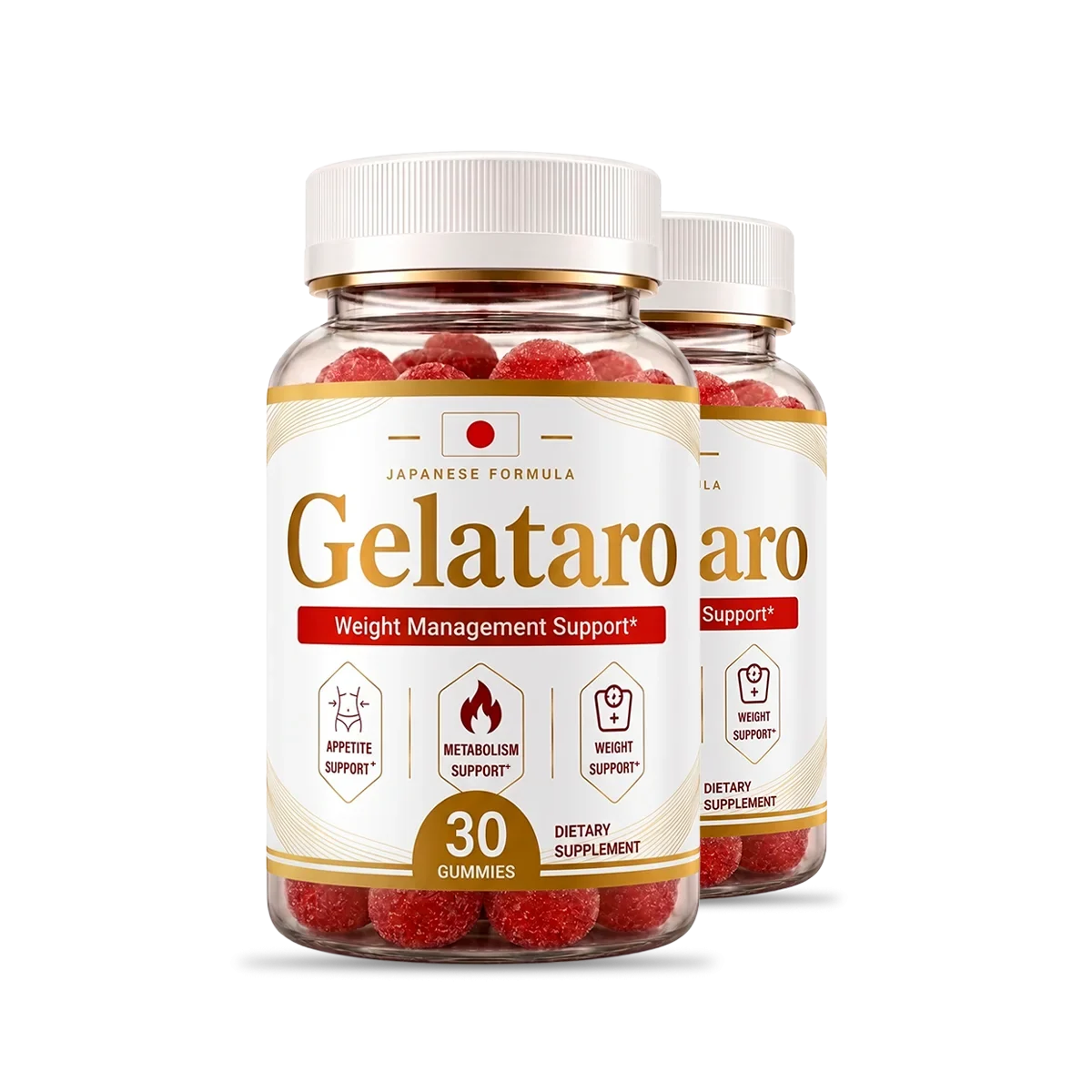
See what Gelataro is built from
Apple cider vinegar gummies gut health searches usually end in a marketplace listing of unknown origin. The full ingredient panel, current bundle pricing and the 60-day guarantee sit on the official page.
Order Now